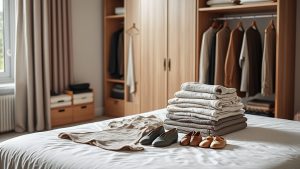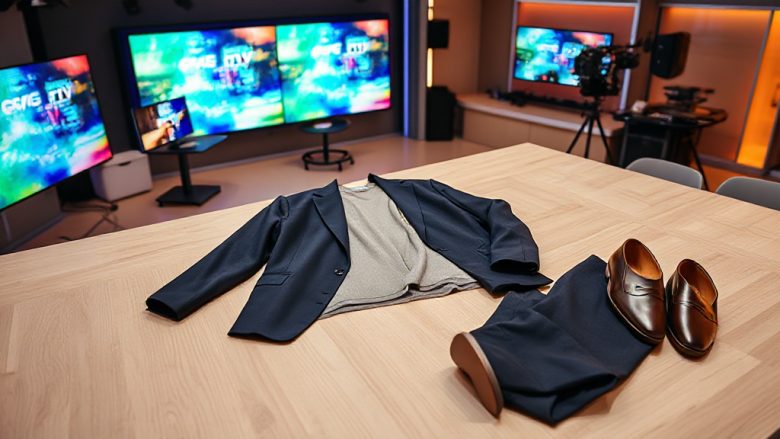
Workwear has been loosening its collar for a few seasons now, and 2026 pushes that shift further. The strict suit-and-tie formula is no longer the default, and the stiff corporate uniform is giving way to something more human: comfort-first tailoring, expressive layering and pieces that move between the office, the commute and the after-work drink without a full outfit change. If you’re watching workwear styling trends to watch in 2026, the headline is simple — polish is still the goal, but the rules about how you get there are being rewritten.
This isn’t about chasing every runway moment. It’s about understanding the handful of shifts that actually affect what you wear on a Tuesday. Below are five trends worth your attention, each with a plain explanation of what it is and practical notes on how to wear it. No hype, no pressure to replace your wardrobe.
Why workwear is loosening up again
Two forces are driving the change. First, hybrid working has permanently blurred the line between office and home, so people want clothes that perform in both. Second, there’s a growing fatigue with disposable fashion; shoppers are buying fewer, better pieces and expecting them to do more. The result is a workwear wardrobe that leans on relaxed silhouettes, tactile fabrics and a bit of personality rather than rigid formality.
You can see it in the way tailoring is cut — softer shoulders, wider legs, less structure — and in the way people style what they already own. A blazer over a knit rather than a shirt. A tailored trouser with a clean sneaker. The overall effect is professional but not precious. That’s the mood for 2026, and the five trends below all feed into it.
Trend 1: Soft-shouldered tailoring
What it is: Tailoring that keeps its shape without feeling rigid. Think unstructured blazers, relaxed trousers and waistcoats cut with a little room rather than a corset-tight fit. The shoulder line is natural, the lapels are moderate and the fabric often has a bit of texture — a brushed wool, a linen blend, a fine corduroy.
How to wear it: Start with one soft-shouldered blazer in a neutral you’ll actually reach for — navy, charcoal, camel or olive. Wear it over a fine-gauge knit or a plain tee instead of a stiff shirt, and pair it with trousers that skim rather than cling. If you’re used to sharp tailoring, this will feel almost too easy at first. That’s the point. The softness reads as confidence, not sloppiness, as long as the fit is clean at the shoulder and hem.
For anyone rebuilding a work capsule, this is the single most useful update. A relaxed blazer can dress up denim, sit over a dress and work with tailored trousers, which means fewer decisions on busy mornings.
Trend 2: Comfort-first fabrics that still look sharp
What it is: Performance fabrics moving into proper workwear. Stretch wool, technical blends, jersey-backed suiting and easy-care knits that resist creasing and breathe through a long day. The look is polished; the feel is closer to loungewear than office armour.
How to wear it: Look for trousers and blazers with a small percentage of stretch — enough to sit, cycle or catch a train without the fabric fighting back. Jersey-backed suiting is a smart choice if you’re on your feet or travelling. Pair these pieces with the same shirts and knits you already own; the fabric does the work, so you don’t need to change your whole look.
One caution: not all stretch is equal. Cheap blends can pill or shine after a few washes. Feel the fabric before you buy, check the label for a wool or cotton base, and favour pieces that hold their shape after a day’s wear. A slightly higher price here usually pays off in longevity.
Trend 3: Expressive layering with texture and tone
What it is: Layering that adds interest through texture and colour rather than logos or loud prints. Think a fine merino polo under a relaxed overshirt, a ribbed knit under a soft blazer, or a tonal outfit in three shades of the same colour. The palette is calm; the surfaces are not.
How to wear it: Build in threes. A base layer (tee, polo or fine knit), a mid layer (overshirt, waistcoat or cardigan) and an outer layer (blazer or light coat). Keep the colours related — navy, slate and grey, or cream, camel and brown — and let texture do the talking. Corduroy, brushed cotton, fine gauge knits and matte wool all sit well together.
This is the trend that lets you express personality without breaking a dress code. If your workplace is conservative, keep the shapes simple and the colours tonal. If it’s more relaxed, you can push the contrast a little further with a richer knit or a bolder overshirt.
Trend 4: The tailored trouser gets a wider leg
What it is: The trouser silhouette is shifting away from the skinny and slim cuts that dominated for years. Straight, tapered and wide-leg shapes are all in play, often with a higher rise and a clean front. Pleats are back too, but softly — a single pleat rather than a full 1980s situation.
How to wear it: Choose a leg shape that suits your build and your day. A straight leg is the safest all-rounder; a wide leg looks great with a fitted top and a soft blazer; a tapered cut works well with chunkier shoes. Get the hem right — it should break once on the shoe, not pool around your ankles. A good tailor can adjust rise and length for a modest cost, and it makes an enormous difference.
Pair wider trousers with a slimmer top half to keep the proportions balanced. If you’re short, a higher rise and a straight leg will elongate more than a wide leg. If you’re tall, you can carry more volume. The goal is a line that looks intentional, not accidental.
Trend 5: Smart shoes with a relaxed edge
What it is: Footwear that bridges formal and casual. Clean leather sneakers, chunky loafers, Chelsea boots with a softer sole and derbies in matte finishes. The shine is dialled down; the comfort is dialled up.
How to wear it: Match the shoe to the trouser break and the occasion. A clean minimal sneaker works with tailored trousers and a knit for a smart-casual office. A loafer or Chelsea boot lifts denim and a blazer. Keep the leather clean and the shape simple — fussy detailing dates quickly.
If you only add one pair this year, a well-made loafer in brown or black will cover more ground than almost anything else. It reads smart with tailoring and relaxed with denim, which is exactly the flexibility 2026 workwear is asking for.
Building a flexible work capsule for 2026
You don’t need to overhaul your wardrobe to stay current. The smartest approach is to add a few pieces that unlock what you already own. Start with a soft-shouldered blazer, a pair of straight or wide-leg trousers in a stretch wool blend, a fine-gauge knit in a neutral tone, a relaxed overshirt and a versatile loafer or clean sneaker. Those five pieces will mix with most of what’s already in your closet and cover the majority of working days.
From there, focus on fit and fabric rather than quantity. A small, well-chosen capsule that layers easily will serve you better than a packed rail of trends you wear twice. The workwear styling trends to watch in 2026 all point in the same direction: comfort, texture and a softer kind of polish. Adapt at your own pace, keep what works and let the rest go. That’s the practical way to stay current without losing your own style.