Houseplant care has quietly become more precise and more sustainable at the same time. The days of watering by habit and hoping for the best are fading, and in their place comes a mix of smarter tools, better light, and potting choices that waste less. If you already keep a few plants alive and want to know which houseplant care trends to watch in 2026 are actually worth adopting, this is for you. Below are four shifts that genuinely change how you water, light, and pot your plants, with a short note on what each one means in practice.
Why Plant Care Is Getting More Precise and Lower-Waste
Two forces are pushing in the same direction. First, plant owners have gotten better at reading their plants. After a few years of trial and error, most people can tell the difference between a thirsty pothos and one that is sulking from too much attention. Second, the products and habits around plant care have improved. Moisture meters are cheaper and more reliable, grow lights use less electricity, and potting mixes increasingly lean on renewable ingredients rather than peat dug out of fragile bogs.
The result is a style of care that is less about rigid schedules and more about observation. You check the soil before you pour. You move a plant toward better light instead of buying a new one when it stretches. You repot with a mix that suits the roots rather than whatever bag was on sale. None of this is complicated, but it does ask for a little more attention than the old water-on-Sundays routine.
What makes 2026 different is that these habits have moved from enthusiast forums into everyday homes. The tools are affordable, the advice is more consistent, and the environmental angle is no longer an afterthought. For an intermediate owner, that is good news: you can adopt the useful parts without rebuilding your whole setup.
Trend 1: Watering by Data, Not by Calendar
What’s changing
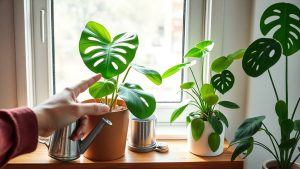
Watering has always been the number one killer of houseplants, and the fix is finally getting practical. Cheap soil moisture sensors now give a readable number instead of a vague needle wobble, and some self-watering pots have moved beyond the wick-and-reservoir design into versions that release moisture slowly and evenly. There is also a growing understanding that different plants want different drying-out periods, so a single weekly schedule was never going to work.
The bigger shift is mindset. Instead of asking “is it Sunday?”, more owners are asking “is the top two inches dry?” and checking with a finger or a meter before deciding. That sounds small, but it prevents the two most common mistakes: overwatering a plant that is already damp and underwatering one that dries out faster than expected in a warm room.
What to do
Start with a simple moisture meter and use it for a month on your thirstiest and most sensitive plants. You will quickly learn how long each one actually takes to dry out, which is far more useful than any generic guide. If you travel or tend to forget, a self-watering pot with a clear reservoir is a reasonable upgrade for ferns, calatheas, and other plants that hate drying out completely. For succulents and cacti, skip the self-watering route and keep checking the soil by hand. The point is not to automate everything but to water based on what the plant is telling you.
Trend 2: Grow Lights That Fit Real Rooms
What’s changing
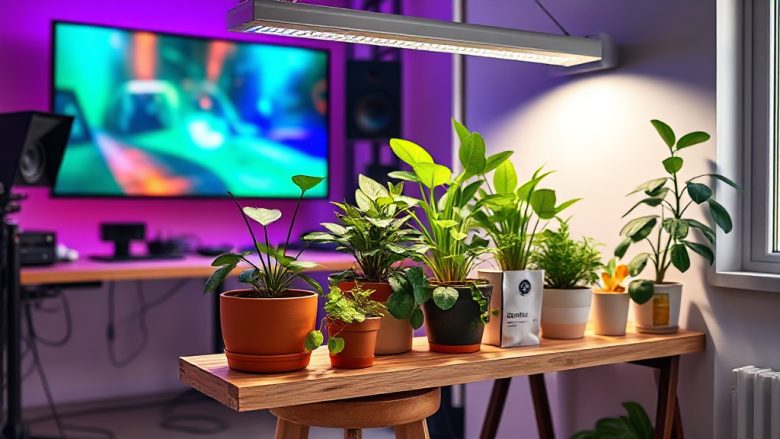
Grow lights used to be bulky, purple, and slightly embarrassing to have in a living room. That has changed. Full-spectrum LED bars and clip-on panels now look close to ordinary lighting, use a fraction of the power, and can be set on a timer so plants get consistent hours of light even in a dim winter. The rise of small, adjustable fixtures means you can light a single shelf or a whole corner without turning a room into a grow tent.
There is also more awareness that light is about intensity and duration, not just brightness. A plant near a north-facing window in a British winter is often getting far less usable light than its owner assumes. Rather than guessing, more people are measuring light with a phone app or a simple lux meter and adjusting placement accordingly.
What to do
If your plants stretch, lean, or produce small pale leaves, that is a light problem, not a feeding problem. A full-spectrum LED bar set on a timer for 10 to 12 hours a day can transform a shady shelf. Keep the light close enough to matter but not so close it scorches leaves, and rotate plants every week or two so growth stays even. For anyone working from home, a light that doubles as a desk lamp is an easy way to make the upgrade without adding clutter. You do not need a professional setup; you need consistent, adequate light for the plants you actually own.
Trend 3: Peat-Free and Renewable Potting Mixes
What’s changing
Peat has been the backbone of potting compost for decades, but its environmental cost has pushed growers toward alternatives. In 2026, peat-free mixes are no longer a niche option. They are widely available and, crucially, better formulated than the early versions that dried out unevenly or stayed soggy. Common ingredients now include coir, bark, wood fibre, and composted green waste, blended to give roots air and moisture without relying on extracted peat.
Alongside the mix itself, there is a shift in how people think about repotting. Instead of moving plants into bigger and bigger pots each year, more owners are refreshing the top layer of soil, checking root health, and only upsizing when the roots genuinely need it. That reduces waste and keeps plants in a pot size that suits their actual growth.
What to do
When you next repot, try a peat-free mix suited to your plant type. Aroid and succulent mixes tend to be chunkier and faster-draining, while ferns and calatheas prefer something that holds a little more moisture. If you are unsure, buy a general peat-free blend and add perlite or bark to loosen it for plants that hate sitting wet. Check the roots while you are in there, trim anything mushy, and reuse your old plastic pots after a good wash. Small habits like these add up, and they cost nothing extra.
Trend 4: Pest Prevention as Routine, Not Rescue
What’s changing
Fungus gnats, spider mites, and thrips have always been part of indoor growing, but the approach to them is shifting from panic treatment to steady prevention. More owners now quarantine new plants for a week or two, inspect leaves when watering, and keep a small kit of sticky traps and insecticidal soap on hand rather than waiting for an infestation to take hold. The logic is simple: catching a problem early is far easier than clearing it once it has spread across a shelf.
There is also more awareness that healthy plants resist pests better. Good light, appropriate watering, and clean soil do more for pest resistance than any spray. Overwatered, stressed plants in stale compost are the ones that attract gnats and mites, so prevention overlaps heavily with the other trends above.
What to do
Quarantine every new plant for at least a week, ideally somewhere you can check it easily. Wipe leaves with a damp cloth now and then, which removes dust and lets you spot pests early. Keep a few yellow sticky traps in pots to monitor for flying insects, and treat any outbreak promptly with a soap or oil spray, repeating as needed. If gnats keep returning, let the top of the soil dry out more between waterings and consider a layer of grit on the surface. A little routine beats a lot of scrambling.
Choosing the Trends That Suit Your Home
Not every trend deserves a place in your routine. A self-watering pot is brilliant for a fern and a bad idea for a cactus. A grow light transforms a dark corner but is wasted money on a windowsill that already gets good sun. Peat-free mix is worth adopting across the board, while pest prevention is simply good practice regardless of how many plants you own.
The thread running through all four trends is attention. Water when the plant needs it, give it enough light, pot it in something that suits its roots, and deal with problems while they are small. The tools and mixes available in 2026 make that easier than it used to be, but they only help if you use them with a bit of judgement. Start with the one change that solves your biggest recurring problem, whether that is forgetting to water or fighting gnats every spring. Get that right, then add the next. Your plants will not mind which trend you pick first, as long as you are paying attention.